
6mm clear float glass
Understanding Leveling in Welding Tables Welding is a critical process in manufacturing and construction, creating strong joints between metal components. However, the effectiveness of welding is greatly influenced by the conditions under which it is performed, including the use of leveling tables. These tables are essential tools in the welding industry, offering a stable and precise setup for various welding applications. In this article, we will explore the importance of leveling welding tables and how they contribute to high-quality welds. The Basics of Leveling Welding Tables Leveling welding tables are specialized surfaces designed to provide a flat, stable foundation for welding tasks. Their primary purpose is to ensure that the workpieces are properly aligned and secured throughout the welding process. Achieving a level surface is crucial, as even minor discrepancies can lead to distorted welds, inconsistent joint strengths, and an increased risk of defects. A typical leveling table features adjustable legs or supports, allowing the user to modify the height and angle of the table to suit the specific requirements of the job. Some tables include built-in leveling systems or spirit levels that help operators quickly determine whether the surface is perfectly horizontal. This adaptability makes them versatile tools across various industries, from large-scale manufacturing to intricate craft welding projects. Importance of Leveling in Welding The importance of leveling in welding cannot be overstated. A level surface facilitates proper alignment of the workpieces, which is vital for achieving even and consistent welds. When workpieces are misaligned, it can lead to several issues 1. Distortion Uneven heating during the welding process can cause the metal to warp or bend, resulting in a misaligned end product. 2. Strength Issues Improper alignment may lead to uneven distribution of stress across a welded joint, compromising its overall strength and longevity . 3. Increased Defects Misalignment is often a precursor to various weld defects, such as lack of penetration, undercutting, or excessive spatter. These defects can result in costly rework or scrapping of components. leveling welding table 4. Safety Hazards Structural weaknesses due to poor welding can pose serious safety risks, especially in critical applications like aerospace or construction. Features of an Effective Leveling Welding Table When selecting a leveling welding table, several key features should be considered to ensure optimal performance - Material The table should be made from a durable, heat-resistant material that can withstand the rigors of the welding process. Common materials include steel and aluminum. - Adjustability Look for tables with adjustable legs or supports to accommodate different workpieces and operator preferences. Some advanced models offer quick-release mechanisms for easy height adjustments. - Surface Finish A flat and smooth surface is essential for preventing defects. The table should also be resistant to spatter and easy to clean. - Load Capacity Ensure that the table can support the weight of your workpieces. Tables with higher load capacities provide more versatility for larger fabrication projects. Conclusion Leveling welding tables play a significant role in the quality of welding operations. By providing a stable and adjustable surface, they help ensure the proper alignment of workpieces, leading to stronger, more reliable joints. In a trade where precision is paramount, investing in a high-quality leveling table can mean the difference between success and costly mistakes. As industries continue to evolve and demand for high-quality welding increases, the importance of leveling welding tables will remain at the forefront. Properly leveled work surfaces not only enhance performance but also contribute to overall safety in the workplace. Therefore, whether you are a hobbyist welder or a professional fabricator, understanding and utilizing leveling tables should be a fundamental part of your welding setup.
about
6mm clear float glass
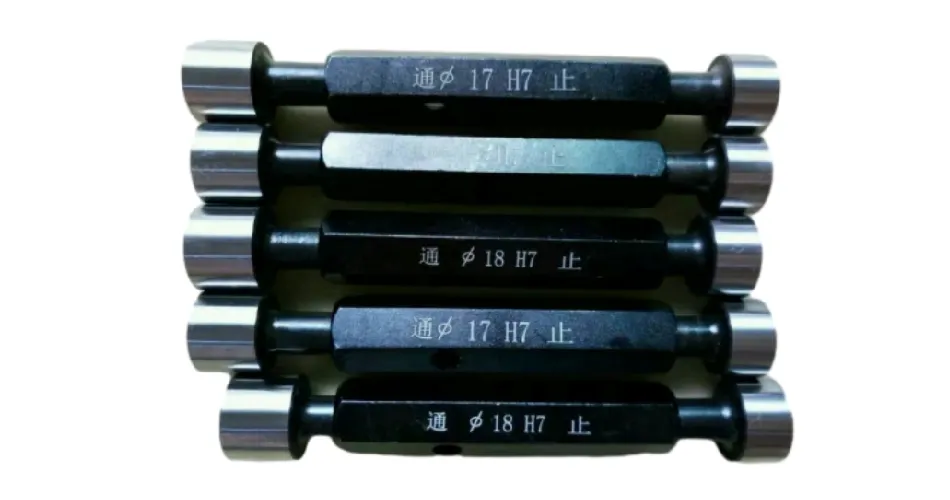
Understanding the Importance of Inside Bore Gauges in Precision Engineering In the field of precision engineering, measurements play a crucial role in ensuring that components meet their specified tolerances. One of the most critical tools in this realm is the inside bore gauge, which allows engineers and machinists to measure the internal diameter of bores with exceptional accuracy. This article explores what inside bore gauges are, their importance in manufacturing processes, and how they contribute to the overall quality assurance of engineered products. What is an Inside Bore Gauge? An inside bore gauge is a specialized measuring instrument designed to assess the diameter of cylindrical openings—such as holes, tubes, and pipes. Typically, these gauges consist of a base and a set of measuring extensions or probes that can expand or retract to fit within the bore being measured. The device is calibrated to provide readings in either imperial or metric units, often displaying results on a dial or digital screen. Inside bore gauges can be made from various materials, including stainless steel and plastics, and they come in different configurations to suit specific applications. Generally, these tools enable precision measurements up to a thousandth of an inch or a fraction of a millimeter, making them indispensable in industries that demand high-quality standards. Why Are Inside Bore Gauges Important? 1. Accuracy and Precision The primary function of an inside bore gauge is to provide precise measurements. In industries like automotive, aerospace, and manufacturing, even the slightest deviation from the required dimensions can lead to catastrophic failures. Inside bore gauges help ensure that each component fits perfectly, avoiding costly rework and potential safety hazards. insize bore gauge 2. Quality Control Inside bore gauges are integral to quality control processes. By measuring the internal diameters of components, quality engineers can verify that the parts manufactured meet specific design specifications. This adherence to quality assurance protocols not only boosts the reputation of a brand but also enhances customer satisfaction. 3. Versatility These gauges can be used for a variety of applications. Whether measuring the size of a hole in a casting, inspecting the internal diameter of pipes, or assessing the bore of a hydraulic cylinder, inside bore gauges are capable of handling diverse tasks. Their versatility makes them vital for different sectors, including construction, manufacturing, and maintenance. 4. Ease of Use Inside bore gauges are designed with user-friendliness in mind. Many models feature intuitive operation that allows even those with minimal training to take accurate measurements. This convenience can lead to time savings in high-production environments where efficiency is crucial. 5. Durability Given their essential role in manufacturing, inside bore gauges are built to withstand wear and tear. High-quality materials and thoughtful design ensure that they can endure frequent use without losing their measuring capabilities. This durability makes them a reliable investment for organizations aiming to maintain high standards in their production processes. Conclusion Inside bore gauges may seem like a small component in the grand scheme of precision engineering, but their importance cannot be overstated. They serve as vital tools that ensure accuracy, uphold quality control standards, and enable versatile applications across various industries. By investing in high-quality inside bore gauges, businesses can enhance their operational efficiency and maintain the integrity of their products. In a world where precision is paramount, understanding the mechanics and significance of inside bore gauges is essential for anyone involved in engineering and manufacturing. As technology advances, these tools are likely to evolve, integrating digital features and automation to further improve measurement accuracy. Ultimately, inside bore gauges will continue to play a pivotal role in shaping the future of precision engineering, ensuring that components are manufactured to perfection—one gauge at a time.
-

High quality industrial productsagement

High quality industrial products
View Details -

Meet the diverse needs of customers

Meet the diverse needs of customers
View Details -

Strict quality control

Strict quality control
View Details -

Top raw materials

Top raw materials
View Details -

Trusted supplier

Trusted supplier
View Details
Our application

news and information

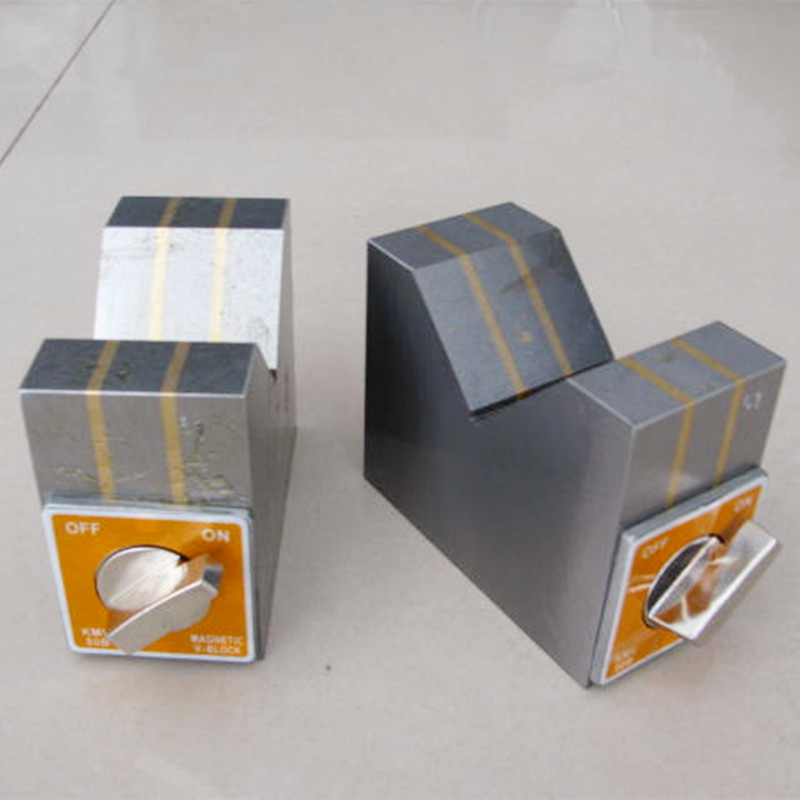
v block v block
Understanding V Block A Fundamental Tool in Manufacturing and Engineering In the world of manufactur
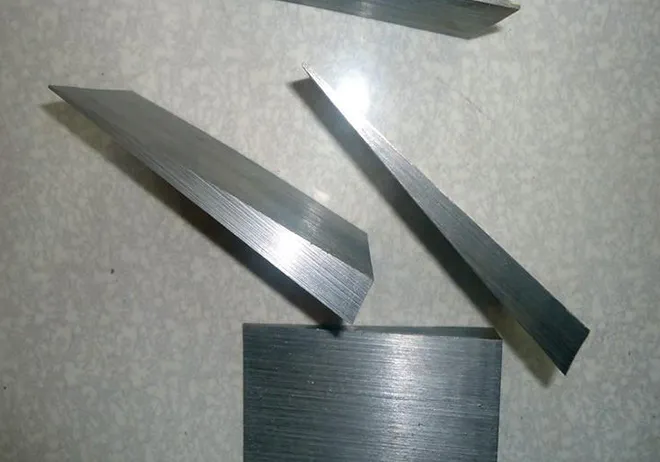
Versatile 5x10 Foot Welding Table for Efficient Metalworking Projects and Fabrication
The Importance of a 5x10% Welding Table in Modern Metal Fabrication Welding is an essential process
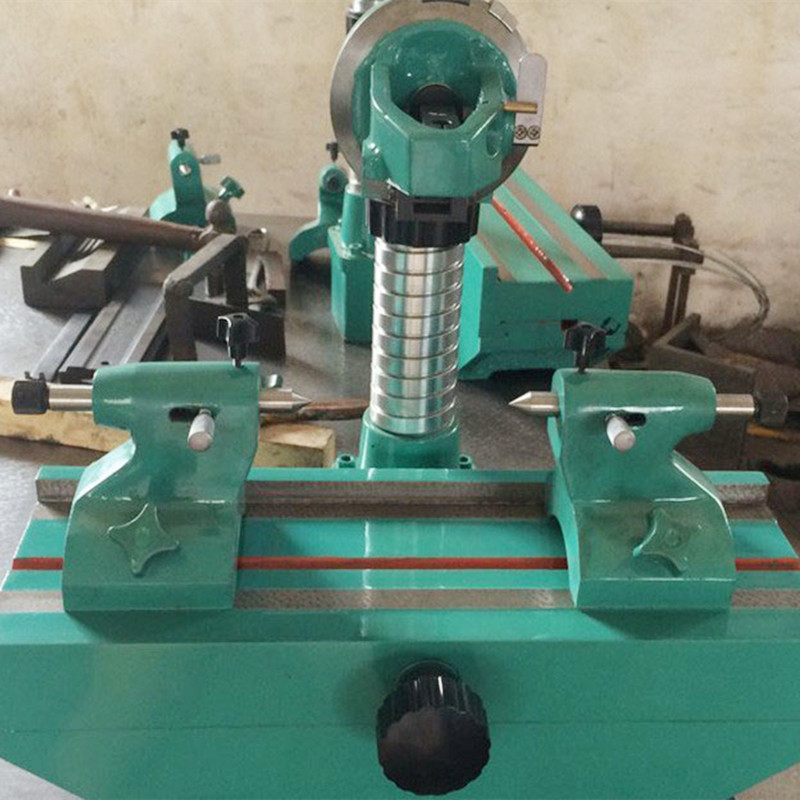
Using a Level for Accurate Measurements with a Marking Ruler
Using a Marking Ruler with Spirit Level A Guide to Precision in Projects When it comes to achieving
 English